Dog Vaccinations in Chichester
Your Complete Guide

Vaccinating your dog is one of the most important ways to protect them from serious, potentially fatal diseases. At Chichester Vets, we follow the latest WSAVA vaccination guidelines to ensure your dog receives the most appropriate and effective care. All dogs in the UK should be vaccinated against:
Depending on your dog’s lifestyle, they may also benefit from additional vaccinations for illnesses such as kennel cough and rabies. Your dog should be vaccinated as a puppy, then receive regular boosters throughout their life. If you’re looking for dog vaccinations in Chichester, then call us to book your dog’s vaccination or discuss their individual needs.

All dogs living in Chichester and the surrounding areas should be protected against the following core diseases:

To ensure full protection, your dog needs primary vaccinations as a puppy, followed by boosters throughout life:

Vets tip: We recommend allowing your puppy a few days to settle into their new home before their first vaccination to reduce stress.
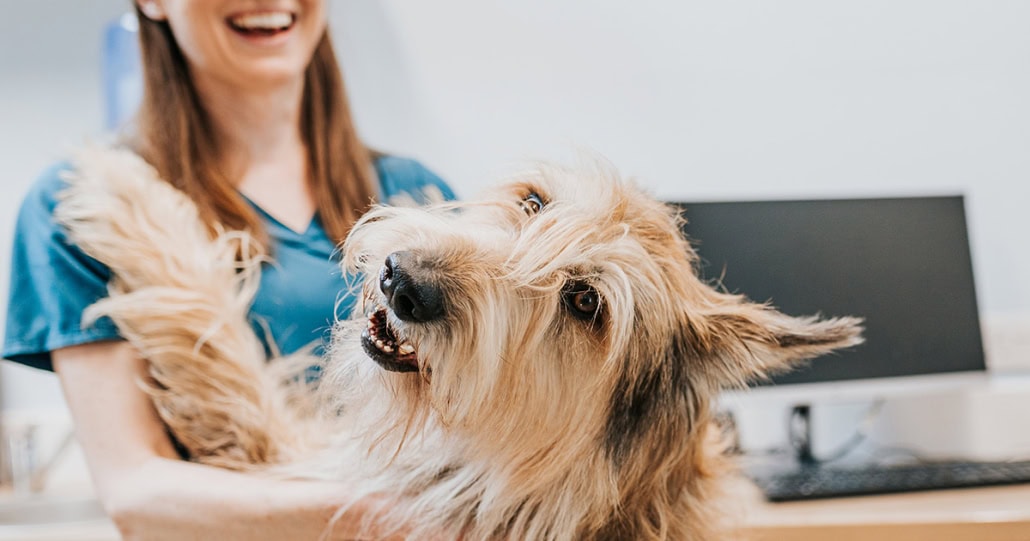
Missed a booster? We can restart the necessary vaccines – get in touch.
Planning to travel with your dog outside the UK? You’ll need a rabies vaccination and must meet entry requirements for your destination. This often includes paperwork and specific timeframes for vaccination. Check the UK Government’s pet travel rules and contact us in advance to plan your dog’s vaccine and documentation schedule.
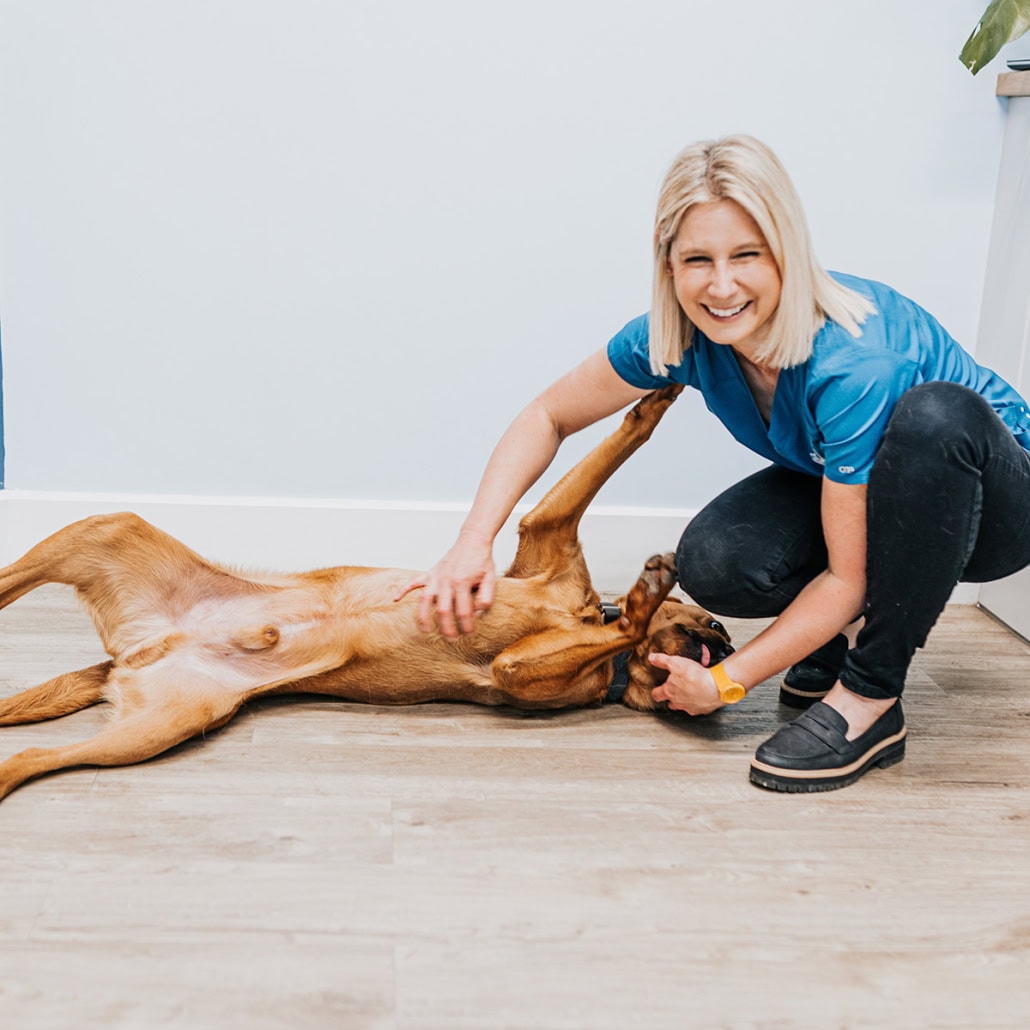

Titre testing involves taking a blood sample to check your dog’s immunity to certain diseases. This can be useful if:
Titre testing is only available for parvovirus, distemper, and hepatitis. There is no titre test for leptospirosis – annual vaccination is always required. Titre results only confirm immunity at the time of testing and do not guarantee year-long protection. Our vets will help you decide if titre testing is suitable for your dog.
At Chichester Vets, every vaccination appointment includes:
Most dogs tolerate vaccines well. Some may flinch or feel a slight sting or cold sensation, but it’s quick and usually stress-free. One of our nurses is always on hand to assist with handling and lifting pets. Appointments are a great time to ask questions, whether about diet, weight, behaviour, or general health.


Serious vaccine reactions are extremely rare. Most dogs experience no side effects at all. If they do, these are usually mild and pass within 24–48 hours:
If your dog appears unwell after vaccination, contact us straight away. Remember: the risks from disease far outweigh the very small chance of a serious reaction.
We publish our vaccination costs on our pricing page. Preventive vaccinations are far more affordable than treating serious illnesses and spare your dog the pain, stress, and suffering caused by preventable diseases.


Until your dog has completed their primary course, or if they are overdue for boosters, you should take extra precautions.

Our team can restart the vaccination schedule and advise on the safest way forward.
How do vaccines work?
Vaccines train your dog’s immune system to recognise and fight off harmful diseases. They contain a small, altered form of the virus or bacteria that won’t make your dog ill but help their body build protection. If your dog comes into contact with the real disease later, they’re far less likely to get sick.
Can my dog be vaccinated if they’re unwell?
Vaccines are best given when your dog is fit and healthy. If your dog seems unwell or is showing any signs of illness before their appointment, give us a call – we may need to reschedule to make sure the vaccine works effectively.
How long do dog vaccines last?
It depends on the disease. Leptospirosis protection lasts for around 12 months, so your dog will need a yearly booster. Vaccines for distemper, parvovirus, and hepatitis usually last three years after the 12-month booster. If your dog is up to date with their vaccines, they may have a bit of extended protection, but it’s always best to follow the advised schedule.
Can my dog be vaccinated while on medication?
Most regular medications won’t affect your dog’s vaccines. However, some drugs, such as steroids or certain anti-itch treatments, can interfere with the immune response. Please let us know what your dog is taking so we can give the right advice.
Are dog vaccines safe?
Yes. All vaccines we use at Chichester Vets are fully licensed and undergo strict safety testing before they’re approved. They’re also regularly reviewed to make sure they remain safe and effective. Like any medication, vaccines can occasionally cause side effects, but these are rare, and the protection they offer against serious illness makes them well worth it.
Do dogs really need vaccinations every year?
Yes, especially for leptospirosis, which needs a yearly booster. Other diseases like distemper, hepatitis, and parvovirus only need boosting every three years, but your dog’s individual schedule will depend on their age, history and lifestyle. We’ll keep track of what’s due and remind you when it’s time.
With Chichester Vets, keeping your dog protected with vaccinations is simple and affordable. From puppies to older cats, we’re here to support you with expert advice, timely boosters and friendly care.

Unit E
Madam Green Business Centre
High Street, Oving
Chichester PO20 2DD
9 am – 6 pm Monday – Friday
9 am – 12 pm Saturday